Jewelry is the most intimate facet of personal style. Long after coats are hung in the foyer and shoes are removed at the door, your core jewelry remains against your collarbones, wrists, and fingers. An intentional everyday jewelry wardrobe is not about accumulating dozens of cheap, fast-fashion costume pieces that turn green and tarnish within weeks. It is about curating a small, exquisite collection of solid, tarnish-resistant essentials that can be worn continuously—in the shower, at the gym, in the boardroom, and into black-tie galas.
The Material Matrix: Solid Gold vs. Vermeil vs. Plated
To build an enduring jewelry foundation, you must understand metallurgy. Buying cheap costume metal is false economy; it inevitably oxidizes, flakes, and ends up in landfills. Here is how fine metals compare:
- 14k or 18k Solid Gold (The Highest Standard): Solid gold is not a surface coating; it is an alloy of pure gold and strengthening metals that will never tarnish, peel, or rust. You can wear solid gold in saltwater, swimming pools, and showers without degradation. It maintains its heirloom value indefinitely.
- Gold Vermeil: A thick layer of gold (at least 2.5 microns) electroplated over genuine sterling silver. Far superior to cheap brass plating, vermeil provides the rich aesthetic of solid gold at an accessible price point, lasting years with careful moisture care.
- Standard Flash-Plated Brass: A microscopic flash of gold over base metal. Avoid for your everyday capsule; the gold wears away under friction within months, exposing skin to irritating nickel and copper.
The 5 Pillars of the Everyday Jewelry Capsule
1. The Signature Earring Suite (Huggies & Studs)
Your base earrings should be comfortable enough to sleep in. A pair of 12mm to 14mm solid gold huggie hoops with secure hinge-click closures offers timeless polish that catches the light whenever you turn your head. If you have multiple lobe piercings, stack descending sizes from lobe to cartilage. Pair with tailored looks in the Parisian street style formula.
2. The Anchor Necklace (Flat Herringbone or Snake Chain)
A 16-inch flat herringbone or snake chain rests flush against the collarbone, creating a liquid mirror-like reflection. Its smooth, continuous surface serves as the ideal foundational anchor for longer pendant necklaces.
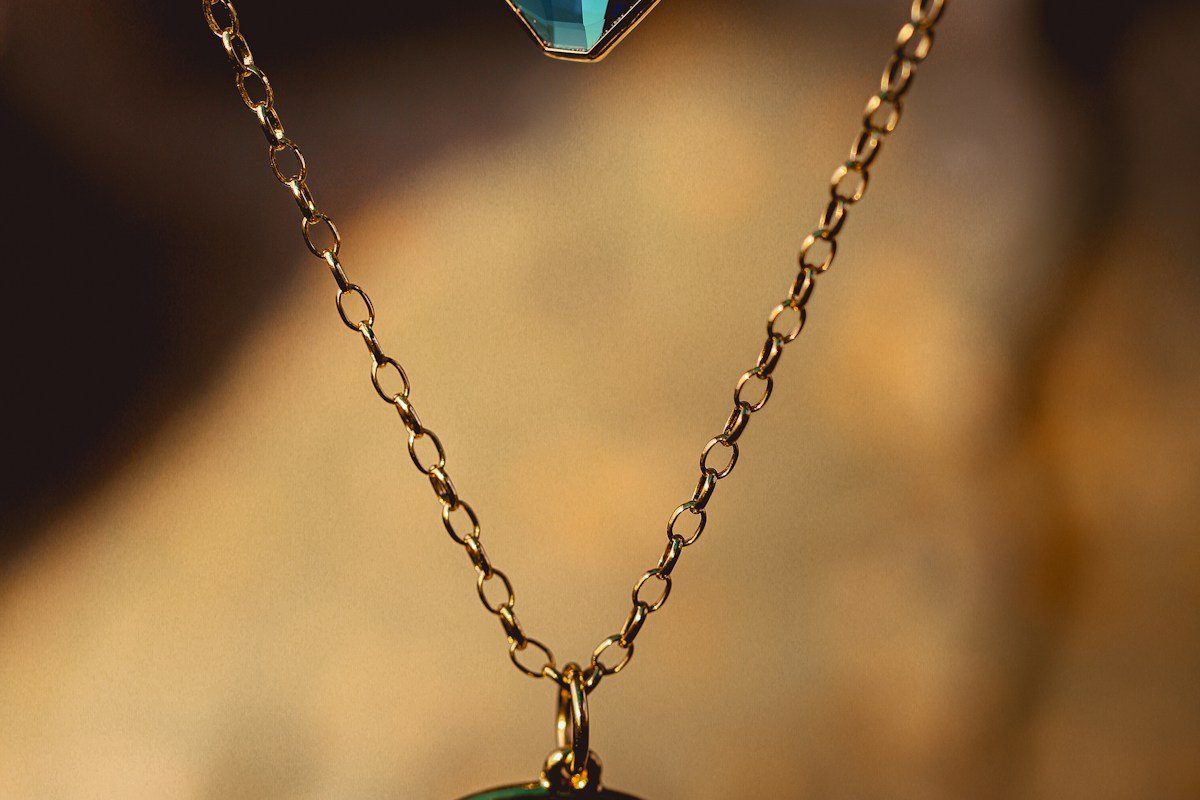
3. The Textured Layering Chain (Paperclip or Cable Link)
An 18-inch or 20-inch open-link paperclip or curb chain introduces textural contrast. The open links prevent the chain from tangling with your flat herringbone anchor necklace while drawing the eye downward.
4. The Meaningful Pendant
A 20-inch to 22-inch chain bearing an architectural medallion, vintage coin, or personal engraved talisman. The pendant adds visual weight to the bottom of your necklace stack, creating a flattering V-shaped focal point that complements open-collar blouses. Review shirt pairings in white button-down shirt styling.
5. The Architectural Ring Stack
Curate a balanced suite: a clean gold signet ring on the pinky or index finger, a flat cigar band on the middle finger, and delicate pavé or textured bands stacked on the ring finger. Distribute weight across both hands rather than overcrowding a single finger.
The 3 Rules of Effortless Necklace Layering
Layering multiple necklaces without creating a tangled rat’s nest requires deliberate spacing and weight management:
- Stagger Lengths by at Least Two Inches: Wear a 16-inch choker length, an 18-inch mid-length, and a 20-22 inch pendant chain. This two-inch vertical clearance gives each chain its own visual lane.
- Vary the Link Weights: Never layer three identical thin chains together; they will immediately twist around each other. Always mix a flat, dense chain (herringbone) with an open link chain (paperclip) and a weighted pendant.
- Use a Layering Clasp Detangler: If your chains still migrate during active days, a small multi-strand jewelry separator clasp holds up to three necklaces at a fixed distance at the nape of the neck.
Can You Mix Metals? (The Modern Answer)
The outdated rule that one must wear exclusively gold or exclusively silver is dead. Contemporary jewelry styling embraces mixed metals with sophisticated intention. The secret to successful metal mixing is anchoring: incorporate at least one two-tone piece (such as a mixed gold-and-steel watch or a twisted intertwining ring) that acts as the visual bridge between your yellow gold and sterling silver elements.
Frequently Asked Questions
How do I clean everyday gold jewelry at home?
Soak solid gold and diamond pieces in a bowl of warm water with a few drops of mild dish soap for ten minutes. Gently brush away body oils, lotion buildup, and soap residue using an ultra-soft baby toothbrush, rinse thoroughly under warm running water, and buff dry with a lint-free microfiber cloth.
How many pieces of jewelry are considered ‘too many’?
Follow the rule of balance. If you wear an elaborate, three-tiered necklace stack, keep your wrists bare or wear only a simple watch. If you wear bold statement earrings, skip the necklace entirely and focus on rings. See styling mistakes and fixes.
Is 10k gold acceptable for everyday wear?
Yes. In fact, 10k and 14k gold are harder and more scratch-resistant than pure 18k or 24k gold because they contain a higher percentage of durable alloy metals, making them exceptionally resilient for daily rings and bracelets.
The Editorial Verdict
Your jewelry should tell a story of longevity and quiet discernment. By selecting quality metals and mastering the rhythm of layering, you create a signature aesthetic that illuminates your everyday dressing with radiant grace.