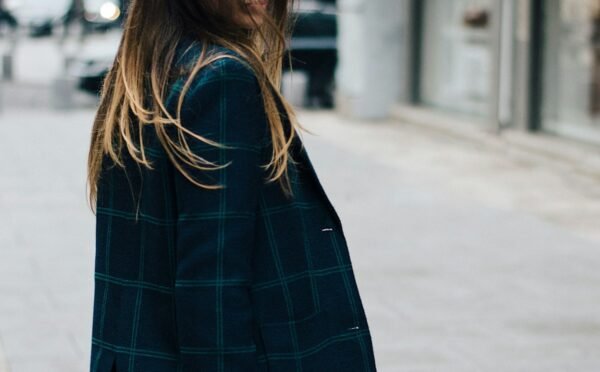
Wearing head-to-toe designer clothing straight off the runway often conveys a lack of personal sartorial imagination; it reads like a catalog display rather than an authentic expression of personal style. Conversely, the world’s most admired fashion editors, stylists, and street-style icons rely on the high-low formula: the deliberate, artful juxtaposition of humble everyday basics—such as a ten-dollar vintage cotton tee or accessible straight denim—with exquisitely crafted luxury investment pieces.
The Psychology of High-Low Balance
The high-low formula works because it creates aesthetic tension. When you pair an opulent, hand-stitched double-faced cashmere coat with relaxed, broken-in raw denim, the coat prevents the jeans from looking sloppy, while the jeans prevent the coat from looking stuffy or unapproachable. The two contrasting elements elevate each other, resulting in an outfit that feels relaxed, contemporary, and deeply confident.
Where to Invest (The ‘High’) vs. Where to Save (The ‘Low’)
Executing this formula successfully requires strategic financial allocation. Knowing where your dollars yield maximum visual and structural return transforms how you shop:
The ‘High’ (Worth the Substantial Investment):
- Outerwear (Coats & Trench Coats): An outerwear piece is the first thing people see. Premium tailoring, hand-finished lapels, and heavy natural wool drape with an authority that inexpensive fast-fashion outerwear simply cannot replicate. Explore our outerwear advice in the trench coat masterclass.
- Leather Handbags: An investment bag crafted from full-grain vegetable-tanned leather develops character over decades and grounds even the simplest outfit. Review shapes in architectural handbag shapes.
- Quality Footwear: Well-constructed leather shoes feature Goodyear welting or Blake stitching, offering superior comfort, longevity, and repairability. See our footwear picks in curating a professional shoe wardrobe.
- Fine Everyday Jewelry: Solid gold huggie earrings or a vintage signet ring never tarnish, irritate skin, or peel. Read everyday jewelry stacking.
The ‘Low’ (Sensible to Buy Accessible):
- Plain Cotton T-Shirts & Tank Tops: Even luxury designer T-shirts suffer from deodorant stains and neckline wear over time. High-quality Supima or organic cotton crewnecks from accessible brands perform just as beautifully.
- Everyday Cotton Poplin Shirts: Accessible shirting brands frequently offer 100% crisp cotton poplin with clean stitching. See styling ideas in white button-down shirt styling.
- Seasonal Trend Separates: When experimenting with an unproven silhouette, such as an exaggerated wide-leg trouser or a seasonal color accent, purchase accessible versions before committing significant capital.
4 Classic High-Low Editorial Formulas
Formula 1: The Editor’s Weekend Standard
Pair an accessible, perfectly fitted white crewneck cotton T-shirt and straight-leg vintage denim with a high-end luxury wool-cashmere blazer and a structured designer leather tote. Finish with clean canvas sneakers. The casual base allows the luxury leather and tailoring to shine effortlessly. Read more weekend ideas in weekend outfit ideas.
Formula 2: The High-Street Slip with Luxury Knit
Combine an accessible satin bias-cut midi skirt with a premium 100% Grade-A cashmere crewneck sweater. The tactile richness of the cashmere elevates the sheen of the skirt, creating an outfit suitable for dinner at the finest restaurants. Review slip skirt formulas in slip dress layering across seasons.
Formula 3: The Denim & Luxury Trench Juxtaposition
Layer an iconic, high-end gabardine trench coat over an accessible grey fleece sweatshirt and straight-leg raw denim. Ground the look with leather penny loafers and dark tortoiseshell sunglasses. Explore trench nuances in the trench coat masterclass.
Formula 4: The Minimalist Black-Tie Hack
Wear a simple, accessible black column slip dress or fine-gauge black turtleneck with an investment silk velvet evening coat, heirloom gold jewelry, and polished calfskin slingbacks. Learn formal secrets in our black-tie optional guide.
The Golden Rule: Fabric Quality Over Brand Labels
The high-low formula only succeeds when the ‘low’ pieces are selected with discernment. An inexpensive item must still possess fabric dignity: 100% cotton, 100% linen, or clean viscose. If an accessible garment is made from shiny, scratchy polyester with crooked seams and plastic buttons, pairing it with a designer handbag will not rescue it; it will only highlight the poor quality of the fabric.
Frequently Asked Questions
How can I make accessible clothes look more expensive?
Take them to a local tailor. Having an accessible pair of trousers hemmed to your exact height, or taking in the waist of a blazer, instantly makes an off-the-rack garment look custom-made. Swap cheap plastic buttons for real horn or mother-of-pearl buttons for a five-dollar upgrade.
Should I buy designer logos to make the ‘high’ obvious?
Avoid loud monograms. Discerning high-low dressing is about quiet confidence; the luxury element should be evident through its impeccable leather, crisp seams, and flawless drape, not a conspicuous logo. Explore our quiet luxury capsule guide.
How do I calculate cost per wear?
Divide the retail price of the item by the estimated number of times you will wear it over its lifespan. A $600 coat worn 150 days a year for five years costs approximately 80 cents per wear, making it vastly more economical than an $80 trendy dress worn once.
The Editorial Verdict
The high-low formula democratizes elegance. By spending intentionally on structural cornerstones and pairing them with unpretentious everyday basics, you curate a wardrobe that looks endlessly refined, modern, and uniquely your own.