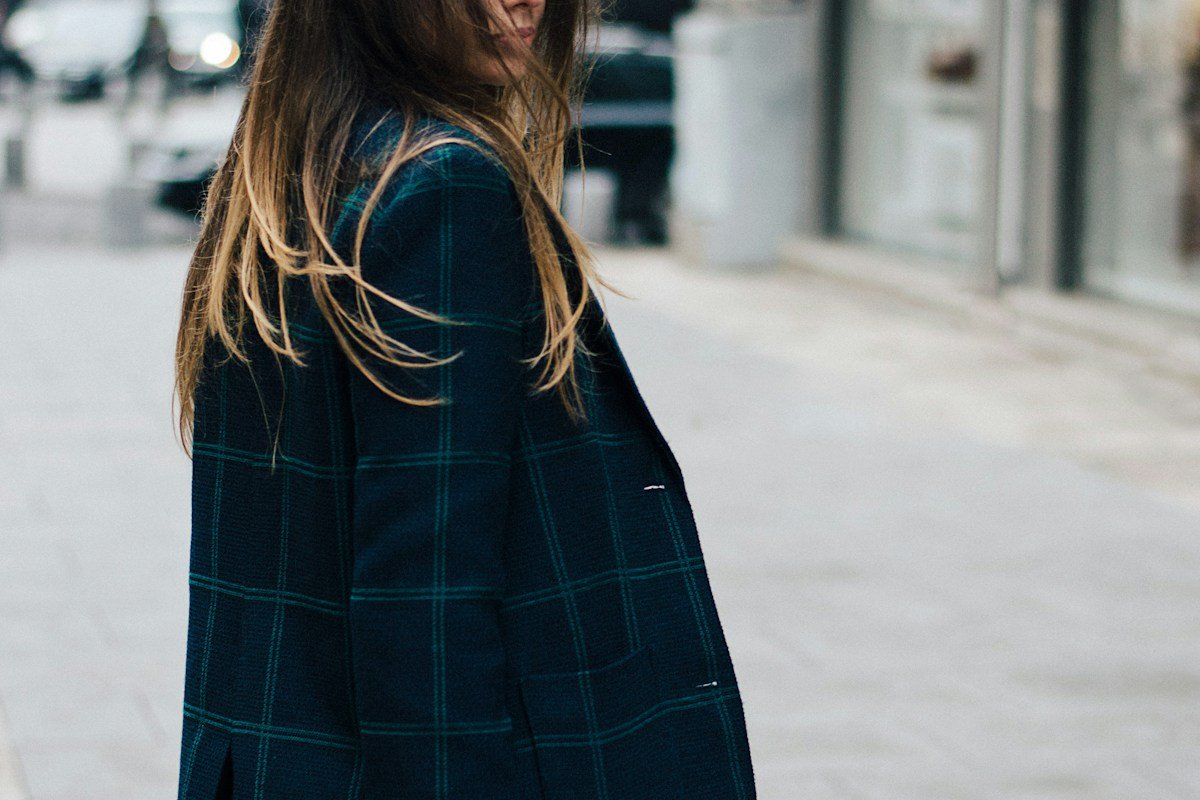
Too often, minimalist fashion is misunderstood as merely wearing plain white T-shirts and black trousers. In reality, true modern minimalism is an architectural discipline. It is the conscious art of eliminating superfluous decoration—ruffles, logos, contrasting hardware, and busy prints—so that the purity of the garment’s line, the drape of its textile, and the spatial relationship between the fabric and the human form can take center stage.
The Concept of ‘Negative Space’ in Fashion
In fine art and interior architecture, negative space is the empty area surrounding a subject that gives it breathing room and visual weight. In personal styling, negative space operates identically. It is the deliberate gap between garment and body: the exposed collarbone framed by a boatneck, the glimpse of ankle between cropped trousers and a loafer, or the generous air pocket created by an oversized cocoon coat.
When an outfit is too tight or overly detailed, there is no negative space; the eye is visually overwhelmed. Modern minimalism uses volume and space to project effortless confidence. Learn how this connects to wardrobe curation in our autumn capsule wardrobe masterclass.
The 3 Proportional Rules of Minimalist Dressing
Rule 1: The Rule of Thirds (1:2 or 2:1 Proportions)
The human eye finds symmetrical halves (1:1 proportion, such as a sweater that cuts exactly across the mid-thigh dividing the body equally) visually stagnant. Minimalist dressers employ the golden ratio:
- The 1:2 Silhouette: High-waisted trousers reaching the ribcage (taking up two-thirds of the visual height) paired with a cropped, tucked knit (one-third). This dramatically elongates the lower body. Review our guide to tailored trousers rises and cuts.
- The 2:1 Silhouette: An ankle-length column coat or oversized tunic sweater taking up two-thirds of the vertical frame, anchored by a slim one-third base of sleek leather boots.
Rule 2: Volume Balancing (The Opposites Attract Principle)
Wearing oversized pieces from head to toe can swallow your frame, while wearing skin-tight pieces looks dated. The modern minimalist balances volume intentionally:
- Generous Top + Streamlined Bottom: Pair a chunky fisherman knit or an oversized menswear blazer with slim straight-leg denim or a bias-cut slip skirt. Discover blazer combinations in oversized blazer street style.
- Fitted Top + Architectural Bottom: Pair a skin-skimming ribbed turtleneck or high-neck bodysuit with voluminous palazzo pants or pleated wide-leg trousers.
Rule 3: Texture Replacement (Substituting Color with Tactility)
When working within a restrained monochrome palette—such as all-black, all-cream, or all-slate—the secret to avoiding a flat, lifeless appearance is tactile juxtaposition. Combine contrasting textures within the same outfit:
- Matte wool flannel alongside reflective silk satin.
- Fuzzy mohair or brushed cashmere against smooth, structured calfskin leather.
- Crisp cotton poplin beneath heavy ribbed knitwear. Explore this in our knitwear fabrics guide.
The Minimalist Color Spectrum
Modern minimalism is not restricted to black and white. It thrives across an organic, earth-inspired palette:
| Color Family | Key Shades | Emotional & Visual Impact |
|---|---|---|
| Foundational Lights | Bone, Ecru, Alabaster, Chalk | Luminous, calm, architectural |
| Warm Earth Neutrals | Oatmeal, Taupe, Biscuit, Camel | Sophisticated, grounding, quiet luxury |
| Deep Anchors | Espresso, Charcoal, Slate, Midnight Navy | Authoritative, sleek, lengthening |
For advanced tonal techniques, read our complete guide to monochromatic dressing and layering.
Curating Architectural Accessories
In a minimalist ensemble, accessories serve as sculptural punctuation marks rather than decorative embellishments. A single bold, clean element carries far more weight than a dozen delicate trinkets:
- Geometric Eyewear: Thick acetate frames in black or honey tortoiseshell that add structure to the face. Read our face-shape analysis in sunglasses styling anatomy.
- Architectural Handbags: Structured flap bags or unadorned leather totes with geometric lines and zero visible branding. See our selections in architectural handbag shapes.
- Monolithic Jewelry: A single solid gold dome ring or a thick sculptural cuff worn on the wrist. Review our advice in everyday jewelry stacking.
Frequently Asked Questions
Doesn’t minimalist dressing feel boring over time?
Not when you understand silhouette and texture. Minimalist dressing directs attention to you—your face, your posture, and your presence—rather than to loud garments. Changing the proportion of a trouser or draping a sweater differently creates endless fresh looks.
How do I dress minimally without spending a fortune on luxury brands?
Focus on fabric content labels rather than brand names. Look for 100% natural fibers (cotton, wool, linen) at accessible price points and invest a few dollars in tailoring to adjust sleeve lengths and waistbands.
Can minimalism work on petite frames without drowning them?
Absolutely. The key for petite women is defining the waistline through high-rise trousers, keeping sleeve cuffs tailored at the wrist bone, and utilizing monochromatic color columns that elongate the vertical line.
The Editorial Verdict
Modern minimalism is the ultimate expression of sartorial clarity. By embracing clean proportions, celebrating tactile textures, and honoring negative space, you create outfits of enduring, effortless power.